
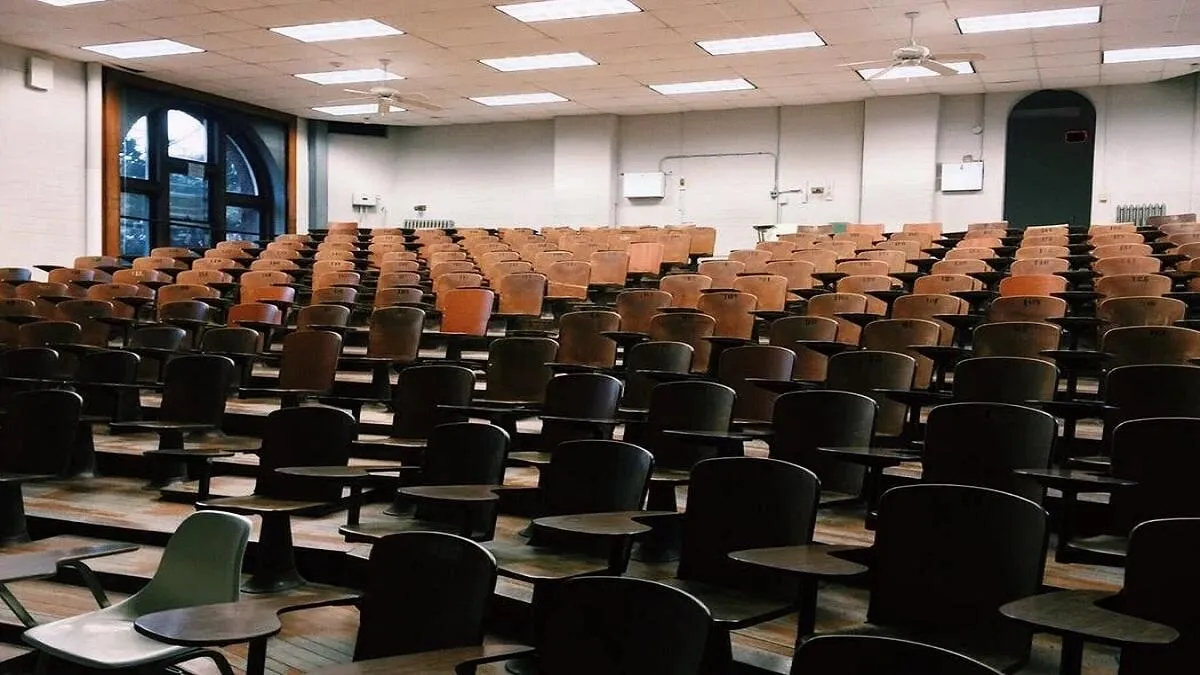
South Africa faces a significant challenge with its high first-year university dropout rate, with some studies suggesting that as many as 60% of students leave before completing their first year. This concerning statistic highlights the struggles that many young people face when transitioning from high school to higher education, with far-reaching implications for both students and their families.
Several factors contribute to this high dropout rate:
Poorly Aligned Subject Choices: Many students enter university programs only to find that the subjects they’ve chosen are either too difficult or not as engaging as they had anticipated. Without a strong alignment between their interests, strengths, and chosen fields of study, students often feel disconnected and struggle to stay motivated.
Lack of Guidance: A lack of career guidance during high school leaves many students making uninformed decisions about their studies. Without proper information about what each field entails, students are more likely to make choices that don’t align with their goals or interests, increasing the risk of dropout.
Increased Pressures: University life brings new pressures—academic demands, financial stress, and the challenge of adjusting to an unfamiliar environment. These increased pressures can become overwhelming, leading some students to leave their studies.
Limited University Allocations: With limited seats available in South African universities, students may not always gain admission to their preferred programs. As a result, some may settle for courses they aren’t passionate about, increasing the likelihood of disengagement and dropout.
Decisions Based on Beliefs or Biases: Social and familial pressures can sometimes influence students’ decisions, pushing them toward fields that might not genuinely suit them. Choosing a course based on external expectations or preconceived beliefs, rather than personal strengths, can set students up for a difficult and unfulfilling academic experience.
The impact of this high dropout rate extends beyond just academic consequences. Dropping out can leave students and their families in a worse financial position than before they entered university, with time, energy, and resources invested without the reward of a degree. South Africa’s graduation rate is also low, with only about 17% of students successfully completing their studies across higher education institutions.
Addressing this dropout crisis requires a collaborative approach. Schools, parents, and educational institutions must work together to provide students with comprehensive career guidance, helping them make informed choices that align with their strengths and interests. With better support and preparation, we can help more students successfully navigate their higher education journeys and secure brighter futures for themselves and their families.
Start the Conversation
The best time to explore career options is NOW. Whether you're a student or a parent, the Prime Career Guide gives you a solid foundation for one of life's most important conversations.